Accessories
Warm Metals at Home: Brass and Aged Bronze for Fall
One dominant metal, one quiet accent, and a little candlelight - that is all it takes to make brass and bronze feel collected instead of random.
By Rae Bennett · · 7 min read
Walk into a room that feels collected, and you will often find the same warm metal turning up in quiet places: a brass lamp here, a brass frame there, a bronze bowl anchoring the table between them. Nothing shouts. Nothing matches exactly. But the room feels settled, as if every piece arrived over time and decided to stay.
That feeling is not an accident, and it is not about buying a matching set. It is about one simple discipline: choose a dominant metal, repeat it, and stop before a third metal enters the room. Brass and aged bronze are the easiest place to start this fall, because they already suit the season. They warm up cream walls, walnut wood, cognac leather, and chocolate velvet, and they come alive in candlelight - which makes this guide well timed for hosting season, with Thanksgiving still a few weeks away.
This is not a room makeover, and it is not a colour story. Earlier pieces on this site have covered vintage-and-new mixing, warm neutral palettes, and lighting layers; this guide is narrower than all of them. It is about finishes and sheen: how to tell polished brass from aged brass from oil-rubbed bronze, how to swap a few pieces without a remodel, and how to let patina be a feature rather than a flaw.
Start with one dominant metal
Every calm mixed-metal room has a lead. Pick brass or aged bronze - not both as equals - and let that metal carry about seventy percent of the metal you can see. The other metal, or a quiet accent like matte black or polished nickel, plays a supporting role only.
The test is simple. Stand in the doorway and count. If your eye lands on brass in three places - say, a lamp, a frame, and a tray - the choice reads as deliberate. If it lands on brass once, in a single candlestick, it reads as leftover. Designers call this the repeat rule: every finish should appear at least twice, and the dominant one should appear three times or more across a room.
Two warm metals that sit too close in tone can blur together. Brass and gold, for example, can melt into one vague shimmer unless their sheens differ clearly. That is why the accent matters: a strip of matte black between two warm metals, or one polished piece against aged ones, gives the eye a place to rest and makes each finish legible.
Learn the three finishes before you buy anything
Polished brass is the bright one. It reflects the room almost like a mirror, throws light around in the daytime, and suits rooms that need lifting - a dark hallway, a north-facing bedroom, a small entry. It also shows fingerprints, so keep it for pieces you touch rarely: a lamp base, a frame, a bowl.
Aged or unlacquered brass is the quiet one. It starts warm and softens with time, darkening unevenly where hands touch it most. That uneven darkening is patina, and it is the whole point. An aged brass candlestick looks like it has lived somewhere; a polished one looks like it arrived yesterday. Both are fine, but they tell different stories, so do not mix them in the same vignette unless you mean to.
Oil-rubbed bronze is the darkest of the three, nearly brown-black with warm undertones that show in sunlight. It grounds a room the way a dark wood floor does. Use it where brass would feel too bright: a tray on a pale table, pulls on light cabinetry, a bowl among cream linens.
Before you commit, check any sample in daylight, not just shop light. Hold it against your wall colour, your wood, and your sofa fabric at the time of day you actually use the room. Warm metals shift dramatically between morning sun and evening lamplight, and the version you love at noon may look cold - or brassy - at seven.
Room-by-room swaps, no remodel required
You do not need new furniture to change the metal story of a house. Start with the pieces you already move around the room: lamps, candlesticks, trays, frames, and cabinet pulls. They are small, they are cheap to swap, and they carry the finish further than any single large purchase.
In the living room, build one tray vignette and let it do the work. An aged brass tray holding two mismatched candlesticks and a small bronze bowl is a complete composition; it needs no extra ornament. Repeat the dominant metal once more across the room - a brass lamp, a brass-framed print - and the tray stops looking like a display and starts looking like part of the room.
In the bedroom, pulls are the fastest change in the house. Swapping drawer pulls takes an afternoon, costs little, and repeats your metal across a whole wall of furniture at once. Add a brass lamp on the dresser and the same finish now appears at two heights, which is exactly what makes a room feel layered rather than decorated.
In the kitchen and dining room, be honest about what you cannot change. Stainless appliances and an existing faucet are neutrals; treat them that way and build your dominant finish around them with hardware, lighting, and serving pieces. A bronze serving bowl on the table and brass candlesticks beside it will do more for a dinner than a new faucet ever would.
In the entry, one repeat is enough. A brass tray or a pair of candlesticks on the console echoes the metals deeper in the house and tells a guest, before they sit down, that the rooms beyond were considered. Keep it to one vignette; an entry crowded with metals feels like a shop, not a home.
Let patina be the story
Unlacquered brass darkens with time, and the instinct is to polish it back to bright. Resist it, at least for one piece. Patina is not damage. It is the record of where a piece has been touched, carried, and used - the same quality that makes a vintage find feel collected rather than new.
If you love bright brass, buy lacquered pieces and keep them bright; that is a coherent choice. If you love aged brass, buy unlacquered pieces and let them age; that is also coherent. The muddle comes from polishing half a set and leaving the rest, so the finishes no longer agree with each other. Pick a lane for each piece and let it stay there.
Patina also forgives. A scratched tray, a candlestick with a darker ring where wax once sat, a bowl with a softened edge - these are the details that keep a warm-metal room from feeling staged. A collected home is not a showroom, and a little wear is what separates the two.
Candlelight is the real test
Warm metals earn their place in November for one reason: they look better as the days shorten. Brass catches a flame and throws it back across the table; bronze absorbs the same light and turns it deep and quiet. Together, in one tablescape, they give a room both glow and gravity.
For a hosting table, keep the same discipline as everywhere else. One dominant metal in the candlesticks and one serving piece, one accent at most, and clear space in the middle for platters and conversation. Lit tapers in brass holders, an aged bronze bowl for serving, cream linen, and nothing else competing for attention - that is a table that photographs well and eats well, which are not the same thing but should both be true.
And when the evening ends, the metals keep working. Blown-out candlesticks in brass still catch the last lamplight in a room, and a bronze bowl left on the table looks intentional the next morning. That is the quiet payoff of choosing finishes deliberately: the room does not need an occasion to look finished.
The mistakes that undo a good mix
Three metals in one room is one too many. Two warm metals plus an accent is the ceiling; a fourth finish, however small, turns a considered mix into a collection of leftovers. If a piece does not fit the rule, move it to another room rather than forcing it in.
Matching everything exactly is the opposite mistake. A room where every brass piece has the same shine feels like a set, not a home. Vary the sheen - one polished lamp, aged candlesticks, a brushed tray - and the mix gains depth without gaining clutter.
And finally, do not chase the finish and forget the light. A brass lamp with a cold white bulb will look harsh no matter how beautiful the metal is. Warm bulbs, around 2700 kelvin, are the cheapest way to make every metal in this guide look the way it should.
A collected home is built the same way in every season: fewer pieces, chosen deliberately, repeated quietly, and allowed to age. Brass and aged bronze suit fall because they suit the light fall gives us - low, warm, and mostly indoors. Pick your dominant metal this week, repeat it twice, add one accent, and leave the third metal in the shop. The room will feel warmer before you buy anything else, and by the time guests arrive, it will look like it always did.
Frequently Asked Questions
Can you mix brass and bronze in the same room?
Yes - pick one as dominant, repeat it at least twice, and keep the other as a smaller accent so the mix reads as deliberate.
What is the difference between polished and unlacquered brass?
Polished brass is lacquered and stays bright; unlacquered brass darkens unevenly with handling, developing a patina that many collectors prefer.
How many metals can you mix in one room?
Two warm metals plus one quiet accent, such as matte black or polished nickel, is the ceiling; a third competing metal usually looks accidental.
Does patina on brass mean it is damaged?
No - patina is natural darkening from age and touch. It is a feature of unlacquered brass, not a flaw, unless you prefer a bright lacquered finish.
What light bulb works best with warm metals?
A warm bulb around 2700 kelvin - cold white light makes brass look harsh, while warm light lets brass glow and bronze deepen.
Written by
Decorating Editor
Rae Bennett is the decorating editor at The Curated Interior, where she writes practical guides to color, texture and warm, collected rooms.
More From Decorating
A November Linen Closet Reset Before Guests Arrive
Thanksgiving is seven days away. Before guests arrive, reset the one closet that decides whether a bed gets made in two minutes or after a load of laundry.
Rae Bennett · Nov 19, 2026
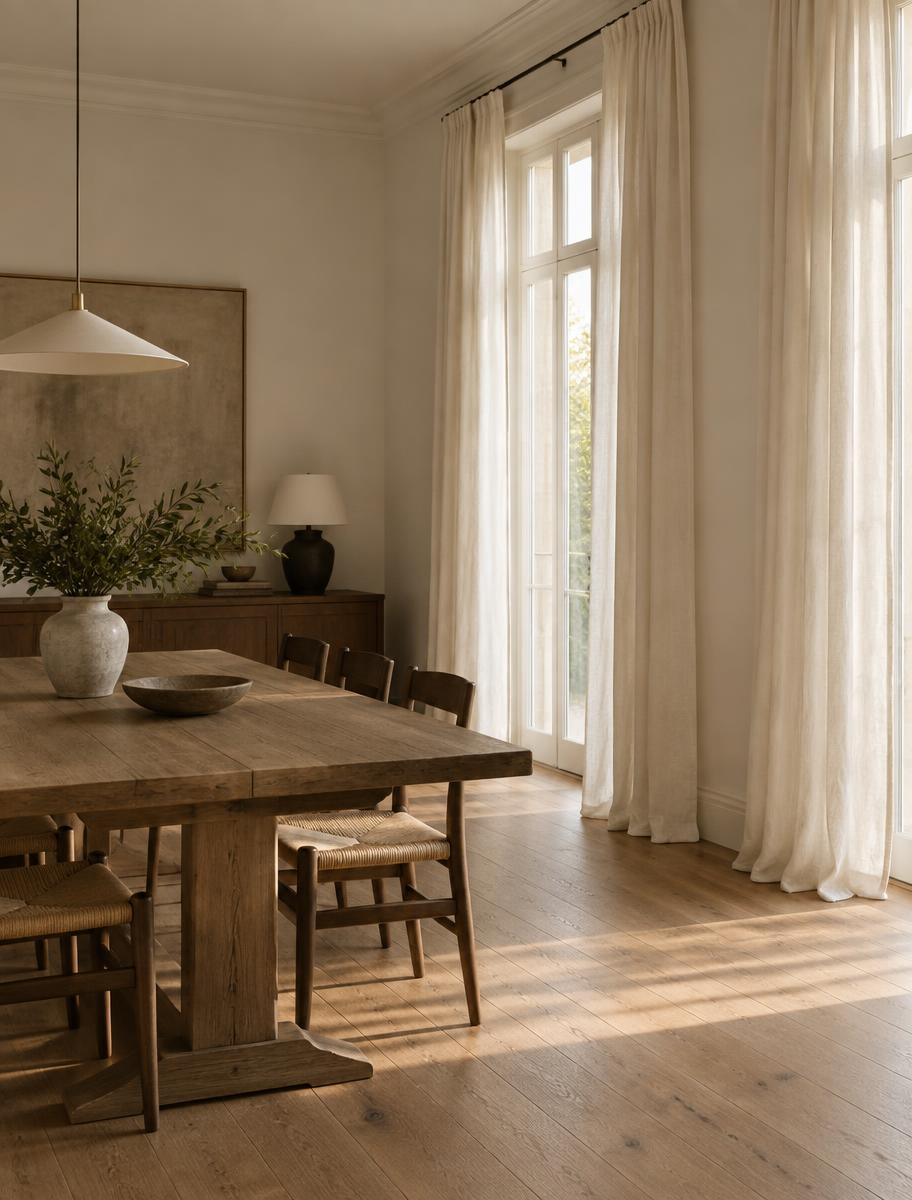
A Guide to Curtain Lengths and Hanging Height
Thoughtful rod placement and well-measured panels can make windows feel more balanced.
Marcus Thorne · Nov 11, 2026
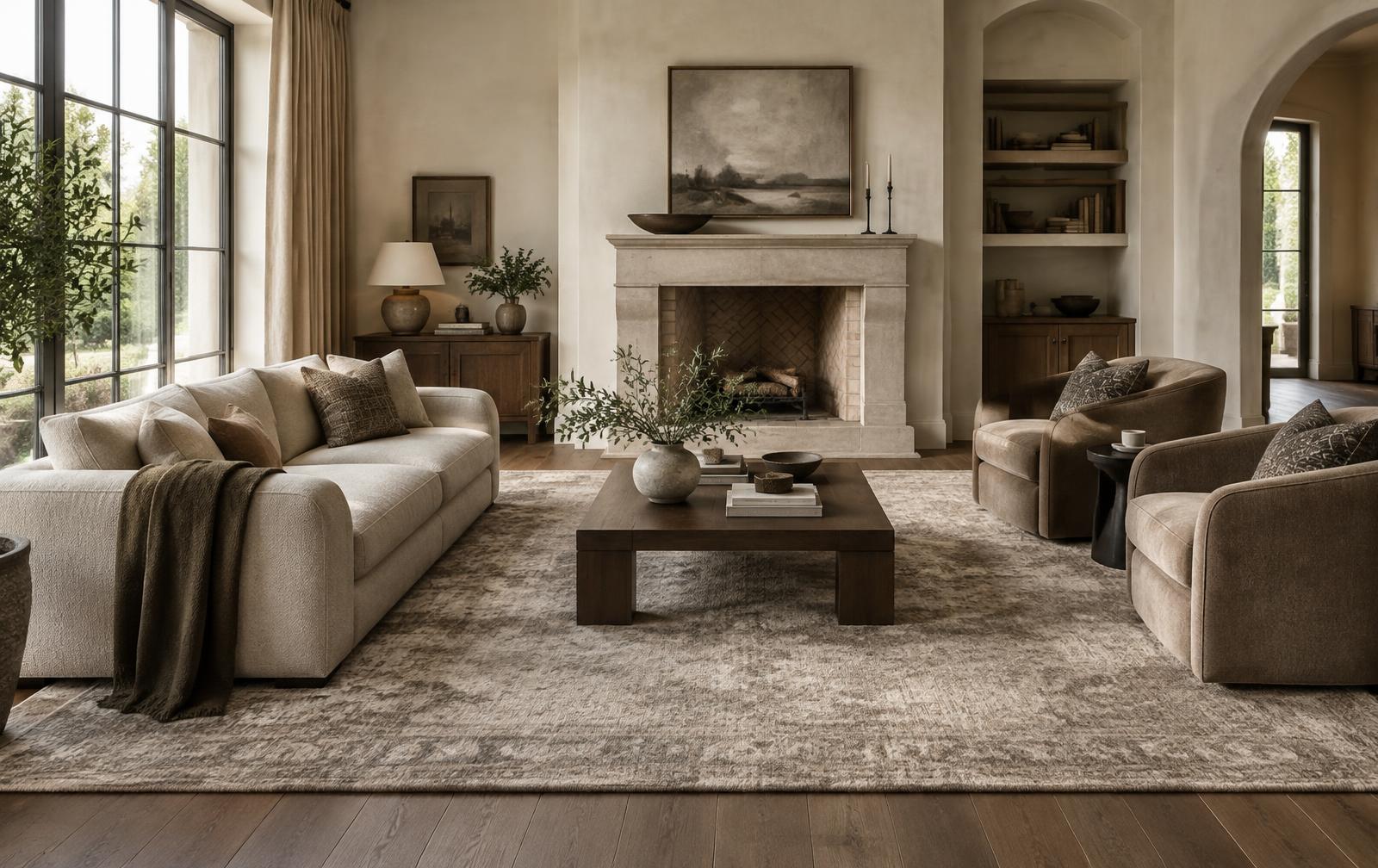
Rug Sizing Rules for a More Cohesive Room
Choose a rug that connects furniture and leaves enough breathing room around the edges.
Marcus Thorne · Nov 10, 2026
The Curated Note
A weekly letter on rooms, materials, and the details that make a home feel considered.
One edition each week: a room we're studying, a decorating principle worth borrowing, and the materials we keep returning to. No noise, no selling.
Discussion
Loading comments…